
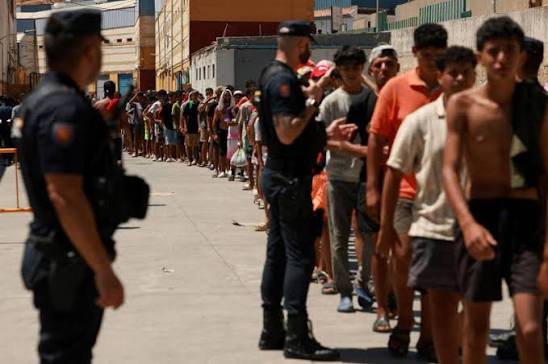
In late July 2026, tens of thousands of people (estimates ranging from around 50,000 to as high as 72,000–80,000) crossed from Morocco into the Spanish enclave of Ceuta over a short period, primarily by swimming or forcing the border. Most returned relatively quickly, but several thousand (government figures around 5,000, local estimates higher, up to 9,000–10,000 including many minors) remained weeks later. This created a severe local humanitarian and administrative strain: overwhelmed reception centres, makeshift camps, urgent needs for identification, asylum screening, shelter, and processing of individual cases for potential returns or protection claims. Spanish authorities deployed additional police and resources, set up temporary tents, and continue handling the aftermath amid diplomatic and political fallout.
Spain’s Digital Nomad Visa (also called the telework residence authorization) operates on a largely separate track from irregular migration and asylum procedures. Applications filed inside Spain go through the Unidad de Grandes Empresas y Colectivos Estratégicos (UGE), which has a legal maximum decision window of about 20 business days (with administrative silence often treated favourably). Consular applications from abroad typically take longer, depending on the post and appointment availability. As of mid-to-late 2026, reported processing for well-prepared UGE files has generally stayed within or near the statutory timeframe, and there is no widespread public evidence of direct, systemic delays to digital nomad or remote-worker visas specifically caused by the Ceuta events.
Indirect pressure is the more realistic concern. The surge has increased overall workload on immigration, police identification, and related administrative capacity—especially in Ceuta and for transfers or parallel caseloads elsewhere. Broader strains on Spain’s extranjería system (already handling high volumes from regularization programmes and rising asylum claims) can contribute to slower appointments for TIE cards, document checks, or secondary steps after approval. Political reactions and resource reallocation could also create temporary bottlenecks or heightened scrutiny in some offices. Digital nomads and remote workers planning a move should therefore expect the core UGE decision to remain relatively protected if documentation is complete and correct, but build in extra buffer time for biometrics, TIE issuance, and any consulate-stage waits.
Practical steps remain the same as before the crisis, with added caution: prepare apostilled documents, proof of remote income (meeting the current threshold linked to the minimum wage), health insurance, and clean records well in advance; prefer the in-country UGE route where feasible; monitor official updates from the Ministry of Inclusion, Social Security and Migration and the UGE; and consider professional advice if timelines tighten. Spain continues to promote the digital nomad pathway as a distinct, talent-attracting option, so major policy rollback appears unlikely in the short term—yet staying informed and submitting flawless files is the best protection against any secondary effects of the 2026 Ceuta surge.
For further advice on moving to Spain as a digital nomad, join Telework Andalucía today.